Hi, This is Ravi Kumar, and today I will let you know about Open-Source Healthcare Solution
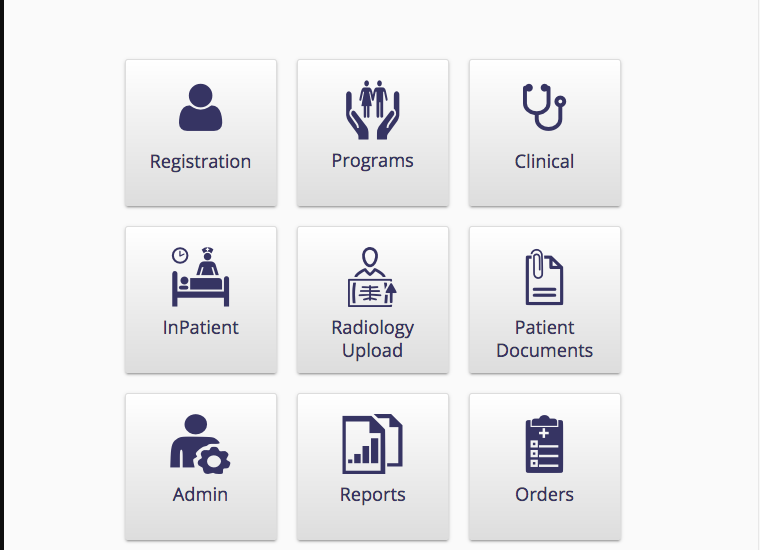
Healthcare systems around the world face numerous challenges, including resource constraints, the complexity of managing patient records, and the need for an integrated system that can support various departments. Bahmni, an open-source Hospital Management System (HMS) and Electronic Medical Record (EMR) platform, addresses these challenges effectively. Designed with low-resource settings in mind, Bahmni has become a preferred choice for healthcare providers, NGOs, and government programs. This comprehensive guide explores Bahmni in detail, from its features to its benefits and implementation.
What is Bahmni?
Bahmni is an open-source software platform tailored to meet the needs of hospitals, clinics, and healthcare organizations. It combines various modules to provide a unified solution that manages patient information, billing, clinical data, and inventory. Bahmni was developed to serve healthcare providers operating in low-resource environments, where affordability, flexibility, and scalability are critical.
By integrating multiple healthcare management tools into a single platform, Bahmni streamlines workflows, reduces redundancies, and improves the quality of patient care. Its adaptability makes it suitable for hospitals, outpatient clinics, and public health programs.
Features of Bahmni
Bahmni offers a wide range of features that cater to the needs of healthcare providers. These features are designed to integrate seamlessly, providing a holistic solution.
1. Patient Registration
- A straightforward module for capturing patient demographics.
- Assigns unique patient identifiers for easy record-keeping.
- Allows searching for patient records by name, identifier, or contact details.
2. Electronic Medical Records (EMR)
- Centralized system for storing patient histories, diagnoses, treatments, and test results.
- Easy-to-use interface that enables quick access to patient data.
- Configurable to capture custom data points like allergies, family history, and more.
3. Outpatient and Inpatient Management
- Handles patient appointments, visits, and admissions.
- Tracks bed availability, care plans, and discharge summaries.
4. Laboratory Information System (LIS)
- Integrated module for managing lab orders and results.
- Tracks sample collection, testing, and reporting.
- Links lab results directly to patient records for better coordination.
5. Pharmacy and Inventory Management
- Keeps track of medicines and consumables.
- Manages stock levels, reordering, and expiration tracking.
- Links prescriptions to inventory for seamless dispensing.
6. Billing and Financial Management
- Streamlines patient billing by integrating it with other modules.
- Supports cash and insurance payments, fee schedules, and invoicing.
- Generates detailed financial reports for hospital management.
7. Reporting and Analytics
- Provides real-time data for decision-making.
- Generates reports on patient visits, lab tests, revenue, and more.
- Supports public health initiatives with aggregated data.
8. Offline Capability
- Operates in areas with intermittent or no internet connectivity.
- Synchronizes data automatically when connectivity is restored.
Why Choose Bahmni?

1. Open-Source and Cost-Effective
Bahmni is open-source, meaning there are no licensing fees. This makes it an affordable option for healthcare providers in resource-limited settings. Hospitals and clinics can customize the platform without incurring additional costs.
2. Designed for Low-Resource Settings
Bahmni is specifically designed to function in environments where resources such as electricity, internet, and skilled IT personnel may be limited. Its offline capabilities ensure uninterrupted operations.
3. User-Friendly Interface
The platform’s intuitive design reduces the need for extensive training. Healthcare workers can quickly learn to navigate Bahmni’s modules, making it ideal for facilities with frequent staff turnover.
4. Scalability
Whether it’s a small clinic or a large hospital, Bahmni scales to meet the needs of the institution. It can handle growing patient numbers, additional departments, and new workflows.
5. Modular and Customizable
Each module in Bahmni can be tailored to fit specific workflows. For example:
- Customizing the registration form to include fields relevant to local contexts.
- Adding modules like radiology or specialized outpatient services.
How Bahmni Works
Step 1: Patient Registration
The journey begins with registering a patient. Bahmni’s registration module captures key details, such as:
- Name, gender, and age.
- Address and contact information.
- Unique identifiers, like a national ID or hospital-generated number.
Step 2: Clinical Management
Once registered, patient data is stored in the EMR module. Healthcare providers can:
- Record diagnoses, treatments, and follow-up plans.
- Order lab tests and view results.
- Manage prescriptions and link them to the pharmacy module.
Step 3: Operational Management
Bahmni supports daily hospital operations through its management modules:
- Inpatient management: Tracks bed availability and discharge plans.
- Pharmacy: Ensures that prescribed medicines are available.
- Billing: Handles payments and generates invoices.
Step 4: Data Analysis and Reporting
The reporting module generates insights on:
- Patient demographics and trends.
- Operational efficiency and resource utilization.
- Public health outcomes.
Real-World Applications of Bahmni
1. Rural Hospitals
In remote areas, Bahmni helps healthcare providers manage patient records and deliver care efficiently, even with limited internet access.
2. Urban Clinics
For high-patient-volume clinics, Bahmni streamlines appointment scheduling, clinical workflows, and billing.
3. Public Health Programs
Government programs use Bahmni to maintain centralized health records, monitor diseases, and analyze population health data.
Benefits of Bahmni
1. Improved Patient Care
- Centralized records enhance care coordination.
- Accurate data reduces medical errors.
2. Increased Efficiency
- Integrated workflows eliminate redundancies.
- Automated processes save time for healthcare workers.
3. Data-Driven Decision-Making
- Real-time reports empower hospital administrators to make informed decisions.
- Public health officials can use data to design better interventions.
4. Cost Savings
- The open-source model reduces software costs.
- Streamlined operations lower administrative expenses.
Challenges and Solutions
While Bahmni offers numerous advantages, there are potential challenges:
- IT Infrastructure: Some facilities may lack the hardware required.
Solution: Bahmni can run on low-cost servers and devices. - Training: Staff may require training to use the system effectively.
Solution: Bahmni’s user-friendly interface minimizes training time.
Conclusion
Bahmni is more than just a hospital management system, it is a powerful tool for transforming healthcare delivery. Its open-source nature, combined with its flexibility and user-friendly design, makes it an invaluable resource for hospitals, clinics, and public health programs worldwide. Whether you are running a rural hospital or a large urban clinic, Bahmni offers the tools needed to provide better patient care and streamline operations.
