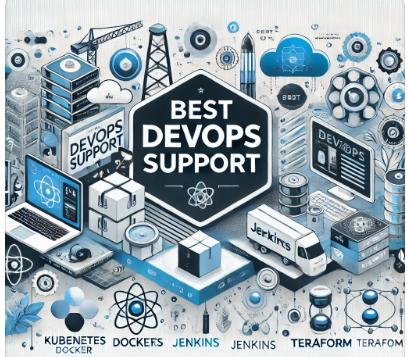
As organizations shift toward faster delivery cycles and enhanced collaboration, DevOps support plays a critical role in bridging development and operations. The focus isn’t just on tools but also on processes, culture, and automation to achieve seamless integration, high availability, and continuous improvement. This step-by-step tutorial provides an in-depth guide to mastering DevOps support for businesses of all sizes.
What Is DevOps Support?
DevOps support involves the comprehensive management of processes, tools, and people to ensure that software development and IT operations work together seamlessly. This includes:
- Building and maintaining CI/CD pipelines.
- Automating repetitive tasks to save time and reduce errors.
- Proactively monitoring and troubleshooting system issues.
- Ensuring collaboration between cross-functional teams.
- Emphasizing security, scalability, and reliability.
Comprehensive Steps to Build Best DevOps Support
1. Establish a Strong Foundation
DevOps support starts with clear objectives, a defined culture, and the right infrastructure.
- Define Goals: Decide what you want to achieve with DevOps (e.g., faster delivery, better collaboration, enhanced security).
- Team Collaboration: Create a culture where developers, operations, and QA teams work together.
- Standardize Processes: Develop clear workflows and templates to ensure consistency across teams.
Tip: Leverage platforms like Jira or Confluence to document and manage workflows.
2. Choose and Integrate the Right Tools
Having the right tools is critical for effective DevOps support. Here’s a breakdown of essential categories:
| Category | Tools | Purpose |
|---|---|---|
| Version Control | Git, GitHub, Bitbucket | Manage code repositories and track changes. |
| CI/CD Pipelines | Jenkins, GitLab CI/CD | Automate testing and deployment. |
| Containerization | Docker, Kubernetes | Run applications in lightweight, portable containers. |
| Infrastructure as Code | Terraform, CloudFormation | Automate provisioning and scaling of infrastructure. |
| Monitoring and Logging | Prometheus, Grafana | Monitor system health and troubleshoot effectively. |
| Security Tools | SonarQube, Aqua Security | Implement DevSecOps to secure systems at every stage. |
Pro Tip: Focus on integrating tools to create a seamless workflow. For instance, combine Jenkins with Docker and Terraform for end-to-end automation.
3. Implement an Advanced CI/CD Pipeline
A well-designed CI/CD pipeline forms the backbone of DevOps support.
- Automated Testing: Integrate unit, integration, and performance tests in the pipeline to detect issues early.
- Continuous Deployment: Deploy code automatically after successful tests using tools like Jenkins or GitLab CI/CD.
- Rollback Strategies: Ensure smooth rollback options in case of deployment failures.
Example: Use Kubernetes with a blue-green deployment strategy to minimize downtime during updates.
4. Automate Everything
Automation is the key to reducing human error and increasing efficiency in DevOps support.
- Infrastructure Automation: Use tools like Terraform or Ansible to manage infrastructure as code (IaC).
- Workflow Automation: Implement scripts to automate repetitive tasks such as log analysis or report generation.
Best Practice: Implement self-healing systems that can automatically detect and fix common issues.
5. Focus on Observability and Monitoring
Observability goes beyond monitoring to provide insights into system behavior.
- Metrics Monitoring: Use Prometheus and Grafana to monitor performance metrics like CPU usage, memory, and network traffic.
- Log Analysis: Analyze logs using ELK Stack (Elasticsearch, Logstash, Kibana) to diagnose issues.
- Alerting: Configure alerts for threshold breaches and anomalies using tools like PagerDuty.
6. Embed Security with DevSecOps
Integrate security into every stage of your DevOps pipeline:
- Static Code Analysis: Use SonarQube to detect vulnerabilities in code.
- Container Security: Implement Aqua Security to scan Docker images for threats.
- Access Control: Use role-based access control (RBAC) to secure sensitive resources.
Pro Tip: Regularly audit your system for compliance with security standards like ISO 27001 or SOC 2.
7. Build a Collaborative Culture
A successful DevOps environment thrives on collaboration and communication.
- Shared Goals: Align team objectives to ensure everyone is working toward the same outcomes.
- Real-Time Communication: Use tools like Slack or Microsoft Teams for instant communication.
- Blameless Postmortems: Analyze incidents constructively to learn from failures.
Advanced Tips for DevOps Support
- Adopt Multi-Cloud Strategies: Use platforms like Kubernetes to manage workloads across AWS, Azure, and GCP.
- Implement Chaos Engineering: Introduce controlled failures using tools like Gremlin to improve system resilience.
- Optimize Cost Management: Use tools like AWS Cost Explorer or Spot.io to monitor and reduce cloud expenses.
- Leverage AI for Monitoring: Use AI-driven tools like Dynatrace for predictive monitoring and anomaly detection.
Why Choose DevOpsSchool.com for Training?
DevOpsSchool.com offers top-notch DevOps training to help individuals and organizations excel in DevOps practices.
- Comprehensive Courses: Cover DevOps, CI/CD, Kubernetes, Terraform, and more.
- Expert Trainers: Learn from industry leaders like Rajesh Kumar, who have years of practical experience.
- Flexible Learning: Choose from online, offline, and corporate training programs.
- Globally Recognized Certifications: Enhance your career prospects with valuable credentials.
Conclusion
Mastering DevOps support requires a mix of the right tools, practices, and cultural shifts. By following the steps and best practices outlined in this tutorial, you can build a robust and efficient DevOps support system that enhances collaboration, reduces costs, and ensures seamless operations.
Whether you’re starting your DevOps journey or looking to refine your practices, platforms like DevOpsSchool.com can provide the expertise and training you need to succeed.
