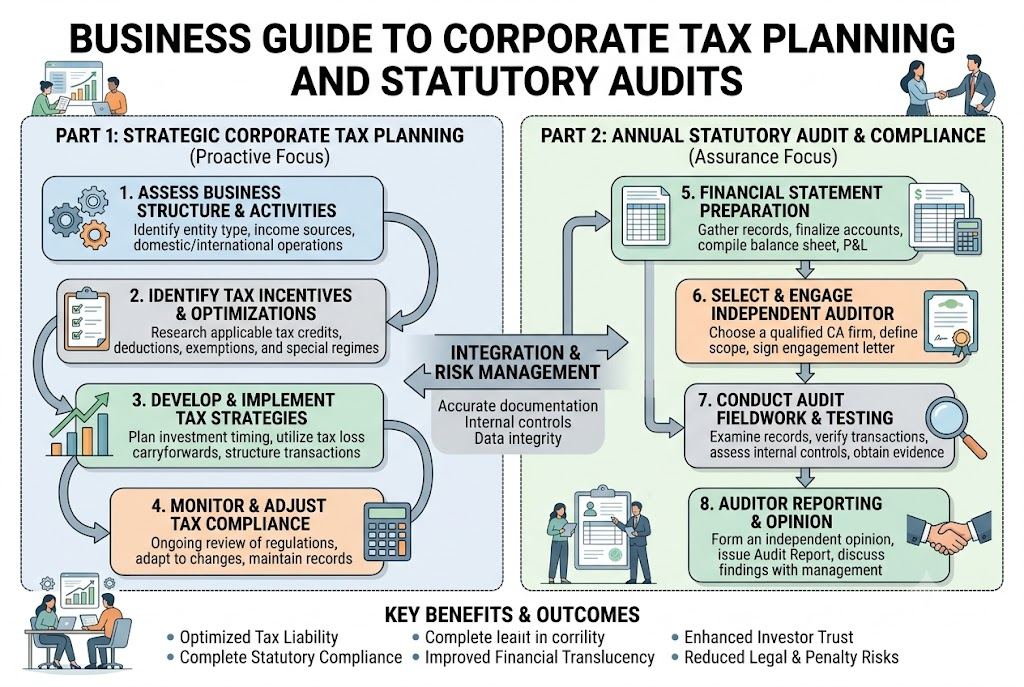
Introduction
Managing financial health, navigating tax regulations, and remaining fully compliant with governing laws can feel like a daunting task for individuals, business owners, and startups alike. Whether you are aiming to file your annual income tax return, incorporate a new company, organize monthly GST filings, or manage complex cross-border accounts, having a trusted financial professional in your corner makes all the difference. Qualified Chartered Accountants do far more than just balance ledgers; they serve as strategic advisors who protect your business from legal penalties, optimize your liabilities, and chart a clear path toward sustainable financial growth. Finding the right expert for your specific operational scale used to rely solely on word-of-mouth recommendations. Today, digital discovery platforms have made discovering and consulting accredited financial experts easier than ever. Through platforms like BestCaNow, individual taxpayers, small businesses, startups, and NRIs can seamlessly connect with verified Chartered Accountants, compare specialized services, and book virtual or in-person consultations tailored to their exact requirements.
Understanding the Role of a Modern Chartered Accountant
Modern financial management extends far beyond manual ledger maintenance. Today’s business environment involves complex direct and indirect tax structures, real-time GST invoicing, cross-border remittance laws, and regulatory oversight from statutory bodies like the Ministry of Corporate Affairs (MCA) and the Income Tax Department. A professional Chartered Accountant serves as an essential pillar of organizational sustainability and financial governance. Financial management professionals undergo rigorous training in financial accounting, auditing standards, corporate law, direct/indirect taxation, and financial advisory. Their primary role is ensuring record integrity while delivering actionable insights that optimize profitability and lower tax overhead.
+-----------------------------------------------------------------------+
|                    MODERN CA FUNCTIONAL DOMAINS                       |
+-----------------------------------------------------------------------+
|  1. DIRECT TAXATION       : Income Tax, TDS, Advance Tax, NRI Tax      |
|  2. INDIRECT TAXATION     : GST Registration, Filing, E-way Bills      |
|  3. CORPORATE COMPLIANCE  : MCA Filings, ROC Audits, Incorporation     |
|  4. AUDIT & ASSURANCE     : Statutory, Internal, Risk & Tax Audits     |
|  5. STRATEGIC ADVISORY    : Virtual CFO, Pitch Deck, Fund Raising      |
+-----------------------------------------------------------------------+
Core Responsibilities of a Financial Professional
- Financial Statement Preparation: Drafting balance sheets, profit and loss statements, and cash flow reports following standardized accounting rules.
- Tax Strategy & Compliance: Formulating tax-saving strategies, calculating advance taxes, and filing periodic returns accurately.
- Statutory & Internal Audits: Conducting objective evaluations of financial records to verify compliance and detect internal risks.
- Corporate Secretarial Support: Assisting with business incorporation, annual Registrar of Companies (ROC) filings, and board documentations.
- Business Advisory: Evaluating financial risks, conducting due diligence for acquisitions, and acting as a Virtual CFO for growing enterprises.
Partnering with an accredited professional protects you from compliance lapses, administrative fines, and costly legal disputes.
Key Services Offered by Professional Financial Advisors
Financial professionals provide a comprehensive range of compliance and advisory services designed to support businesses through every stage of their lifecycle.
                       +-------------------------+
                       |    BUSINESS LIFECYCLE   |
                       +-------------------------+
                                    |
            +-----------------------+-----------------------+
            |                                               |
            v                                               v
  [ STARTUP & SETUP PHASE ]                       [ SCALING & MATURITY PHASE ]
  - Incorporation (Pvt Ltd/LLP)                   - Statutory & Tax Audits
  - PAN, TAN, & Bank Setup                        - GST Monthly Filing & Input Credit
  - Startup India Registration                    - Corporate Tax & International Tax
  - Initial Tax Structuring                       - Virtual CFO & Due Diligence
Direct and Indirect Taxation Management
Navigating direct taxes (Income Tax) and indirect taxes (Goods and Services Tax) requires continuous attention to statutory updates and deadlines:
- Income Tax Returns (ITR): Categorizing income under salaries, business profits, capital gains, and house property to minimize liabilities legally.
- GST Compliance: Managing initial GST registration, selecting composition schemes, matching Input Tax Credit (ITC), generating e-way bills, and submitting monthly or quarterly returns (GSTR-1, GSTR-3B, GSTR-9).
- Tax Deducted at Source (TDS): Ensuring correct TDS deduction rates, timely quarterly filing, and generation of TDS certificates.
Audit and Assurance Services
Audits verify that a company’s financial records reflect a true and fair view of its financial position:
- Statutory Audit: Mandatory audit required by corporate legislation to verify balance sheet accuracy for shareholders and statutory bodies.
- Tax Audit: Mandated under tax laws for businesses exceeding specific turnover limits to ensure taxable income is declared correctly.
- Internal Audit: Operational review of internal workflows, risk management practices, and asset protection protocols to prevent financial fraud.
Business Incorporation and Statutory Advisory
Starting a business requires selecting the correct corporate vehicle and obtaining statutory approvals:
- Selecting entity structures (Sole Proprietorship, Partnership, LLP, or Private Limited Company).
- Securing Digital Signature Certificates (DSC) and Director Identification Numbers (DIN).
- Drafting Memorandum of Association (MOA) and Articles of Association (AOA).
- Acquiring MSME/Udyam registrations, Startup India recognitions, and local municipal licenses.
Comparison of Core Accounting and Advisory Models
To build an efficient financial strategy, evaluate different engagement structures and service frameworks. The comparison tables below highlight key operational differences.
Online CA Consultation vs. Traditional In-Person Consultation
| Features | Online CA Consultation | Traditional In-Person Consultation |
| Primary Access Mode | Cloud platforms, portals, and video calls | Physical office visits and paper exchanges |
| Geographic Flexibility | Pan-country access to nationwide experts | Restricted to local physical service providers |
| Document Handover | Encrypted digital uploads and cloud drives | Physical paperwork, hardcopy files, and courier |
| Turnaround Speed | Fast; real-time digital communication | Moderate; bound by office appointments |
| Cost Efficiency | Lower operational overhead; flexible engagement | Higher fees due to physical infrastructure costs |
| Best Use Cases | Startups, NRIs, freelancers, and busy executives | Large corporations requiring physical on-site audits |
Business Entity Structures (Sole Proprietorship vs. LLP vs. Private Limited)
| Features | Sole Proprietorship | Limited Liability Partnership (LLP) | Private Limited Company (Pvt Ltd) |
| Legal Existence | No separate legal identity from owner | Distinct legal entity registered with MCA | Separate legal entity with perpetual succession |
| Liability Scope | Unlimited personal liability for debts | Limited liability based on capital contribution | Limited liability capped at share capital |
| Compliance Overhead | Low; basic tax filing and licenses | Moderate; annual LLP disclosures and tax filings | High; mandatory audits and ROC filings |
| Fundraising Capacity | Low; relies on personal savings/loans | Moderate; can add partners, cannot issue shares | High; easily raises equity capital from VCs |
| Tax Rate Impact | Taxed according to individual slab rates | Fixed tax rate plus applicable surcharges | Lower corporate tax rates with incentives |
| Best Use Cases | Freelancers and local micro ventures | Professional service firms and consultancies | Tech startups and scalable businesses |
In-House Accountant vs. External Chartered Accountant Services
| Features | In-House Accountant | External Chartered Accountant |
| Core Responsibilities | Daily bookkeeping, invoicing, and payroll | High-level compliance, tax planning, and audits |
| Depth of Expertise | General accounting and recordkeeping | Expert knowledge of tax laws and corporate statutes |
| Cost Dynamics | Fixed monthly salary, benefits, and office space | Retainer or assignment-based fee structure |
| Legal Representation | Cannot represent firm in official tax hearings | Authorized to represent business before tax bodies |
| Regulatory Knowledge | May require ongoing training on tax changes | Regularly updated on legislative updates and rulings |
| Best Use Cases | Daily operational bookkeeping and invoicing | Strategic tax planning, statutory audits, and advisory |
Specialized Financial Requirements: Startups, MSMEs, and NRIs
Different entities face distinct accounting and compliance challenges. A tailored approach ensures compliance while supporting long-term stability.
       +-------------------------------------------------------------+
       |             SPECIALIZED COMPLIANCE REQUIREMENTS             |
       +-------------------------------------------------------------+
       |                                                             |
       |  STARTUPS & MSMEs              NRIs & INTERNATIONAL USERS   |
       |  ----------------              --------------------------   |
       |  - Cap Table Management        - DTAA Relief Claims         |
       |  - ESOP Structuring            - Form 15CA / 15CB Certificates|
       |  - Valuation Certificates      - NRE / NRO Account Taxation |
       |  - R&D Tax Subsidies           - Foreign Remittance Rules   |
       |                                                             |
       +-------------------------------------------------------------+
Tailored Solutions for Startups and Emerging Ventures
Startups operate in fast-paced environments where regulatory compliance is essential for investor trust:
- Cap Table & Equity Structuring: Maintaining precise ownership records and managing ESOP pools.
- Valuation Certificates: Securing certified business valuations required for fundraising, angel investments, and venture capital rounds.
- Regulatory Incentive Claims: Navigating tax exemptions, R&D credits, and government grant applications.
- Cash Flow Management: Monitoring burn rates, establishing runway projections, and optimizing working capital.
Unique Tax Considerations for Non-Resident Indians (NRIs)
Cross-border taxation requires specialized expertise to ensure foreign income and Indian investments remain compliant:
- Double Taxation Avoidance Agreements (DTAA): Claiming tax credits under international tax treaties to prevent paying tax twice on the same income.
- Form 15CA and 15CB Certification: Securing mandatory CA certifications for foreign currency remittances from Indian bank accounts.
- Capital Gains & Property Sales: Managing TDS calculations, lowering withholding tax rates, and filing tax returns for Indian real estate sales.
- NRE and NRO Account Management: Ensuring correct tax treatment for income earned in India versus overseas funds transferred home.
How to Select the Right Financial Professional
Selecting a financial professional directly impacts your organization’s compliance health and bottom line. Consider these core criteria during your selection process:
+------------------------------------------------------------------------+
|                     SELECTION EVALUATION FRAMEWORK                     |
+------------------------------------------------------------------------+
| [ VERIFY CREDENTIALS ] ---> Membership status, COP validity & track record |
| [ INDUSTRY EXPERTISE ] ---> Experience in your specific business domain|
| [ TECH ADOPTION ]     ---> Modern cloud accounting software proficiency  |
| [ COMMUNICATION ]     ---> Clear explanations without excessive jargon |
| [ TRANSPARENT PRICING] ---> Defined retainer terms with no hidden fees |
+------------------------------------------------------------------------+
- Verify Credentials and Standing: Confirm membership status and Certificate of Practice (COP) with professional regulatory bodies like the ICAI.
- Assess Domain Specialization: Ensure the expert has proven experience in your specific industry—such as e-commerce, real estate, manufacturing, or cross-border trade.
- Evaluate Digital Adoption: Modern accounting relies on cloud platform integrations, automated bookkeeping, and real-time reporting. Choose a professional comfortable with modern accounting platforms.
- Demand Transparent Pricing: Request a clear written fee structure. Avoid vague billing models that lead to unexpected costs during peak filing seasons.
- Prioritize Proactive Communication: A good advisor proactively alerts you to upcoming regulatory deadlines, policy shifts, and tax-saving opportunities.
Practical Best Practices for Financial Management
Establishing clear financial management protocols reduces tax liability, simplifies audits, and prevents administrative penalties. Follow these best practices:
- Separate Business and Personal Finances: Maintain dedicated business bank accounts to keep corporate expenses distinct from personal transactions.
- Adopt Cloud Bookkeeping Software: Implement modern accounting software to capture receipts, generate compliant GST invoices, and reconcile bank statements weekly.
- Maintain an Audit-Ready Document Trail: Digitally store purchase orders, vendor invoices, tax receipts, and bank statements in organized cloud folders for easy access during audits.
- Conduct Regular Tax Reconciliations: Reconcile sales registers with GST portal data (GSTR-2A/2B) monthly to avoid missing Input Tax Credits or facing tax notices.
- Establish a Statutory Compliance Calendar: Document all quarterly TDS deadlines, monthly GST due dates, and annual corporate filing schedules in a shared calendar with automated alerts.
Expert Tips for Optimizing Tax and Financial Growth
- Review Financial Statements Quarterly: Do not wait until year-end to examine financial health. Review P&L statements and balance sheets quarterly to catch tax planning opportunities early.
- Maximize Eligible Input Tax Credits: Track every business-related expense—including utility bills, office supplies, and professional fees—to offset output GST liabilities.
- Structure Salaries Strategically: Optimize component allowances (such as HRA, NPS contributions, and LTA) within legal guidelines to lower tax burdens for founders and employees.
- Pre-clear Foreign Remittances: Engage a certified tax professional well before executing foreign transactions to ensure correct Form 15CA/15CB filings and avoid bank hold-ups.
- Schedule Pre-Year-End Tax Audits: Conduct a mock tax assessment in Q3 of the financial year to project annual earnings, optimize capital expenditure deductions, and pay advance tax accurately.
Common Financial and Tax Mistakes to Avoid
Avoiding administrative errors saves capital and prevents time-consuming tax disputes.
+---------------------------------------------------------------------+
|                      CRITICAL COMPLIANCE ERRORS                     |
+---------------------------------------------------------------------+
| [X] Delaying Tax Submissions      ---> High interest & penalty fees  |
| [X] Unreconciled GST Returns      ---> Loss of Input Tax Credits     |
| [X] Selecting Advisors on Price   ---> Substandard quality & errors  |
| [X] Poor Document Retention       ---> Disallowed expense claims     |
| [X] Missing Mandatory MCA Filings  ---> Director disqualifications   |
+---------------------------------------------------------------------+
Delaying Submissions Until Final Deadlines
Waiting until the last minute to file taxes leads to rushed calculations, unverified documentation, system slow-downs, and late filing fees. Plan ahead to ensure double-checked submissions.
Disregarding GST Reconciliations
Filing monthly GST returns without matching seller data with GSTR-2B details often leads to mismatched Input Tax Credit claims. This can trigger automated tax notices and demand orders.
Choosing Financial Advisors Solely on Price
Selecting accounting services based only on the lowest fee often results in substandard compliance work, overlooked deductions, and missed statutory deadlines that cost far more in the long run.
Inadequate Record Keeping
Failing to retain vendor receipts, payment vouchers, and contractual agreements makes it difficult to defend business expense claims during tax assessments.
Missing Corporate Secretarial Deadlines
Failing to file annual returns or financial statements with the Registrar of Companies (ROC) can lead to daily penalty fees and potential disqualification of company directors.
The Future of Digital Accounting and CA Directory Services
The accounting landscape is undergoing a digital transformation. Traditional, paper-based accounting methods are being replaced by secure, cloud-enabled digital discovery platforms. These directories help individuals and businesses connect with accredited financial professionals anywhere, anytime.
+-------------------------------------------------------------------------+
|                  TRANSFORMATION OF ACCOUNTING SERVICES                  |
+-------------------------------------------------------------------------+
|  TRADITIONAL MODEL              --->   MODERN DIRECTORY MODEL           |
|  - Paper-based ledger systems          - Encrypted digital document drives |
|  - Local physical visits               - Nationwide remote consultations  |
|  - Opaque fee structures               - Transparent, verified profiles    |
|  - Manual compliance tracking          - Automated scheduling & alerts    |
+-------------------------------------------------------------------------+
Digital discovery platforms aggregate verified profile data, operational specializations, regional presence, and client reviews into an easy-to-use directory interface. Users search for verified experts based on location, service category, language, and budget. This shift lowers barriers to expert financial advice, helping startups, MSMEs, and individual taxpayers find tailored guidance quickly.
Why Choose BestCaNow for Connecting with Financial Experts
Discovering qualified Chartered Accountants and financial consultants tailored to your industry, budget, and geographic location is effortless with BestCaNow. The platform offers a streamlined directory connecting individuals, startups, and established enterprises with verified tax and compliance professionals.
+------------------------------------------------------------------------+
|                          WHY USE BESTCANOW?                            |
+------------------------------------------------------------------------+
| [VERIFIED PROFILES]  --> Review credentials, specializations, & years  |
| [ADVANCED FILTERS]   --> Filter by location, language, & services      |
| [FLEXIBLE ENGAGEMENT] --> Choose remote video sessions or local meetings|
| [WIDE COVERAGE]      --> From local GST support to complex NRI taxes    |
+------------------------------------------------------------------------+
Key Platform Highlights
- Comprehensive Verified Directory: Browse verified financial professionals categorized by specialization, geographical location, experience, and client feedback.
- Tailored Specialization Search: Filter experts specifically for GST return filing, startup incorporation, corporate audits, NRI taxation, or business valuation.
- Flexible Consultation Modes: Select online video consultations or arrange in-person meetings based on your preference.
- Transparent Profile Information: Evaluate service offerings, industry experience, supported languages, and practice locations before booking.
- Equal Access for Emerging Businesses: BestCaNow gives startups, small businesses, and individuals direct access to expert financial guidance historically reserved for large corporations.
Frequently Asked Questions (FAQs)
What is the difference between an accountant and a Chartered Accountant?
An accountant typically handles daily bookkeeping, basic ledger entries, and preliminary financial statements. A Chartered Accountant is a certified professional who has passed rigorous exams, completed practical training, and earned accreditation from an official regulatory body like the ICAI. CAs are legally authorized to audit financial statements, sign statutory compliance documents, and represent clients before tax authorities.
How do I find a qualified chartered accountant near me?
Search through specialized digital directories like BestCaNow to find accredited financial professionals in your city. Filter results by geographical proximity, required services (such as income tax filing, GST support, or audits), language preferences, and client reviews to select an expert suited to your specific operational needs.
What are the main benefits of an online CA consultation?
Online consultations save time by eliminating travel to a physical office. They allow you to share encrypted financial documents digitally, access top-tier nationwide experts beyond your immediate local area, schedule meetings flexibly, and receive quick professional advice for urgent tax and compliance matters.
Why do startups need a specialized CA during business launch?
Startups face specific regulatory challenges, including selecting the right legal entity structure, managing cap tables, issuing equity shares, obtaining tax exemptions, setting up ESOPs, and securing valuation certificates for fundraising. A CA with startup experience ensures your legal foundation is strong and investor-ready from day one.
What documents are required for an individual income tax return filing?
Essential documents include Form 16 (issued by your employer), Form 26AS, Annual Information Statement (AIS), Taxpayer Information Summary (TIS), bank account statements, interest certificates, capital gains statements from stock trading or real estate, and receipts for tax-saving investments under applicable deduction sections.
How often do businesses need to file GST returns?
GST filing frequency depends on your business turnover and scheme selection. Regular taxpayers file monthly or quarterly returns (GSTR-1 and GSTR-3B under the QRMP scheme). Additionally, an annual return (GSTR-9) and reconciliation statement (GSTR-9C) must be filed at the end of the financial year.
What is the mandatory threshold limit for a statutory tax audit?
Under Indian tax legislation, a tax audit is mandatory if a business’s annual turnover exceeds ₹1 Crore. However, this threshold increases to ₹10 Crore if digital transactions account for 95% or more of total receipts and payments. For professionals, the tax audit threshold stands at ₹50 Lakhs in gross receipts.
How do NRI tax consultants help non-resident Indians save taxes?
NRI tax consultants help non-residents navigate cross-border tax laws, apply Double Taxation Avoidance Agreement (DTAA) provisions, issue Form 15CA/15CB certificates for overseas fund transfers, optimize tax liabilities on Indian real estate sales, and manage NRE and NRO bank account compliance efficiently.
What is the difference between a statutory audit and an internal audit?
A statutory audit is a legal requirement designed to verify financial statement accuracy for shareholders, investors, and regulatory bodies. An internal audit is an operational review initiated by company management to assess internal controls, streamline processes, detect operational inefficiencies, and mitigate fraud risks.
How long does company registration take through a Chartered Accountant?
Registering a company typically takes 5 to 10 business days once all required documents are submitted. This includes securing Digital Signature Certificates (DSC), reserving the company name with the MCA, drafting MOA and AOA documents, and receiving the final Certificate of Incorporation along with PAN and TAN allocations.
Can a Chartered Accountant represent my business during a tax audit or notice?
Yes, qualified CAs are legally authorized to act as your representative before tax authorities and administrative tribunals. They can draft formal legal responses to tax notices, attend assessment hearings, present supporting financial documentation, and defend your position during tax audits or dispute proceedings.
What are the consequences of missing GST filing deadlines?
Missing GST filing deadlines incurs late payment fees per day of delay alongside statutory interest charges on outstanding tax liabilities. Continued non-compliance can block your e-way bill generation privileges, lead to the cancellation of your GST registration, and trigger automated tax demand notices.
What is the role of a CA in securing business loans or bank credit lines?
A CA prepares detailed Project Reports (PPR), projects cash flow scenarios, certifies financial statements, calculates key debt-coverage ratios, and drafts CMA data required by financial institutions to evaluate creditworthiness and approve business loan applications.
What is the difference between direct tax and indirect tax?
Direct tax is levied directly on an individual’s or business’s income or profits (e.g., Income Tax and Corporate Tax) and cannot be passed on to another party. Indirect tax is levied on goods and services (e.g., GST) and is collected by businesses from end consumers before being remitted to the government.
Why should I use BestCaNow instead of traditional personal referrals?
While personal referrals offer limited options based on local contacts, BestCaNow provides a transparent, nationwide directory. The platform lets you compare profiles, verify specializations across direct tax, GST, and corporate audits, read client reviews, and connect with the right financial expert for your specific operational scale.
Conclusion
Managing taxation, financial reporting, and statutory compliance requires clear planning, up-to-date legislative knowledge, and professional execution. Attempting to handle complex accounting requirements without expert support increases the risk of financial errors, missed deadlines, and regulatory penalties that can jeopardize your business. Engaging a qualified Chartered Accountant gives you access to strategic financial advice that optimizes tax liabilities, ensures audit readiness, and establishes sound internal controls. Whether you are an individual taxpayer filing an annual ITR, a tech startup raising capital, or an established enterprise navigating complex GST frameworks, working with the right financial advisor is one of the best investments you can make for long-term growth.
