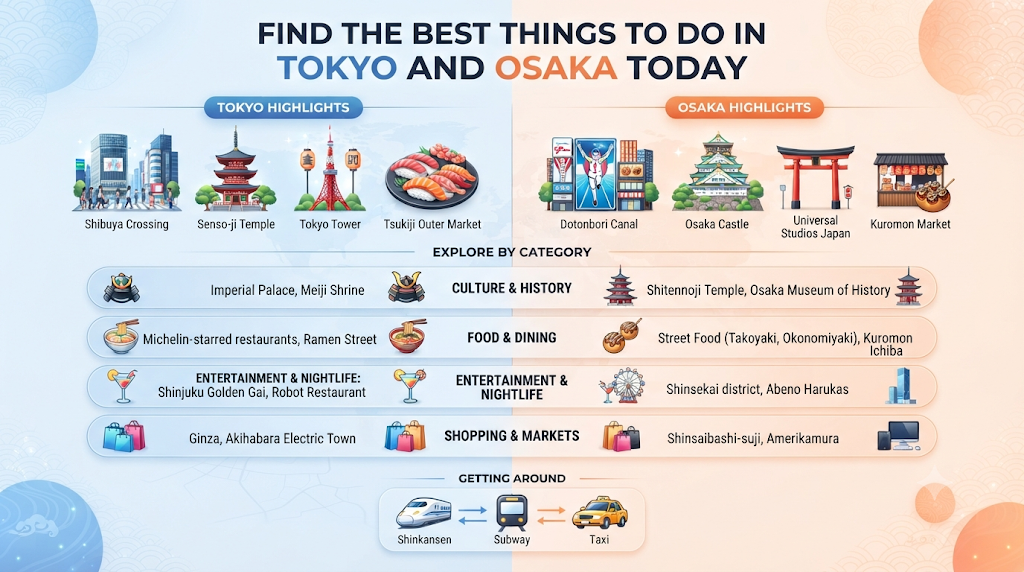
Your friend lands in three weeks. She has never visited Japan before. You want a plan that goes beyond dinner and sightseeing. So you search, scroll, and open ten tabs. Dates don’t match, and details are missing.
This is the kind of problem MyEventsNow Japan tries to ease. It’s an online event discovery, ticket booking, and event promotion platform. It connects organizers, businesses, communities, and attendees across Japan. This article follows one event from first search to final booking. Then it shows how organizers list and manage events on the same platform. You’ll see what attendees can do, and what organizers can do.
What MyEventsNow Japan Is and Who Uses It
MyEventsNow Japan is a meeting point. On one side are people who plan events. On the other side are people who want to attend them. The platform keeps the details in one place.
Attendees can discover events, read ticket information, and find the registration or booking options that are available. The range is wide. You’ll see concerts, festivals, workshops, exhibitions, conferences, networking events, and cultural celebrations.
Organizers can create event listings. They can publish schedules, add venue information, and share admission details with interested audiences. Businesses, educational institutions, event agencies, community groups, and independent professionals can all use it.
The marketplace also covers venue exploration, cultural experiences, organizer management, and community engagement. So it’s more than a list of dates. It’s a place where events, venues, and people meet.
Attendees and Organizers Side by Side
Attendees and organizers use the platform in different ways. This table shows the two views next to each other.
| Area | For Attendees | For Organizers |
|---|---|---|
| Main purpose | Find events and choose what to join | Share events with interested audiences |
| Event discovery or publishing | Browse upcoming events across Japan | Create listings and publish schedules |
| Tickets and admission | Explore ticket information | Share admission details |
| Registration and participation | Use available registration options | Run registration processes where enabled |
| Event information | Read dates, venues, and details | Provide venue and schedule information |
| Marketplace extras | Explore venues, cultural experiences, and community | Use organizer management and community engagement |
Read each row from left to right. The attendee column shows what you can look for. The organizer column shows what the host puts in. Together they describe one shared event page, seen from two sides.
For Attendees: Finding an Event and Getting a Spot
Let’s walk through the attendee side first. Each step builds on the one before it.
Start with what’s coming up
Start with the wide view. When you don’t know what you want, Upcoming Events in Japan is a good place to begin. The platform lists concerts, festivals, workshops, exhibitions, conferences, networking events, and cultural celebrations. Scroll through and see what catches your eye.
This helps many kinds of people. Residents can plan an open weekend. International visitors can see what’s on during a trip. Students can look for something new to try. Working professionals can spot a conference or a networking event.
Tip: Choose one or two event types before you browse. A short list keeps you focused. Then compare dates and see which event fits your calendar. Browsing takes only a few minutes, and it can spark ideas you hadn’t thought of.
A look at Tokyo
Tokyo is a big city with a lot of choices. Events in Tokyo include live performances, technology meetups, nightlife, professional seminars, food festivals, and entertainment experiences. That range suits many tastes.
Think about who you’re planning for. A music fan may look at live performances. Someone curious about tech can check a technology meetup. A professional might pick a seminar. A food lover can follow a food festival.
Tip: Match the event to your mood and your day. A seminar needs focus. A nightlife event is a very different evening. Read the details first so you know what to expect. Event types come and go, so check each listing for dates. If you’re hosting a friend, offer two choices and let them pick.
A look at Osaka
Osaka offers its own mix. Events in Osaka include music concerts, business conferences, cultural activities, community gatherings, and local experiences. Each one serves a different need.
Music concerts are for fans. Business conferences suit people who want to learn or meet others in their field. Cultural activities and local experiences help visitors see the city’s character. Community gatherings are a friendly way to meet people who live nearby.
Tip: If you live nearby, try a community gathering. If you’re visiting, a local experience may show you how people spend their time there. Read the listing to see what each event involves. Don’t assume Osaka has the same events as Tokyo. Each city has its own listings, so compare them before you decide.
Festivals and seasonal traditions
If you love tradition, the Japanese Festivals and Events directory is worth a look. It covers traditional celebrations, seasonal festivals, cultural performances, and unique Japanese experiences. Residents and international visitors can both use it.
For visitors, a festival can be a way to see Japanese culture up close. For residents, it can be a chance to join a celebration tied to the time of year. Either way, treat the event with respect. Watch, listen, and follow any guidance the organizer shares.
Tip: Seasonal festivals follow the calendar, so dates matter. Check the listing early. Then read the schedule and venue information before you go. A cultural performance may have a set start time, so plan to arrive with time to spare.
For music lovers
Music fans have plenty to explore. Live music performances, independent artists, and DJ events appear across Japanese cities. The platform also lists other entertainment programs.
Searching for Concert Tickets Japan? Start with the music listings. Open an event to read its ticket information. Look for the date, the venue, and the admission details. Then check which booking or registration options are available.
Independent artists are a good way to find new sounds. A DJ event gives you a different kind of night out.
Tip: Try one show by an artist you don’t know. Read the admission details first so there are no surprises on the day. Booking options can vary by event, so don’t assume every show works the same way.
For learners and working people
Not every plan is about fun. Some people want to learn, grow, or meet others. The platform lists workshops, exhibitions, conferences, and networking events for them. Tokyo includes professional seminars. Osaka includes business conferences.
A student could try a workshop. A working professional could attend a seminar or a conference. A freelancer could join a networking event to meet new people. Exhibitions suit anyone who likes to look and learn.
Tip: Read the event description closely. Check who it’s meant for and what the schedule looks like. Then see if registration steps are listed, so you can plan your time. Plan the day around the schedule, and leave room for travel. Workshops and conferences may ask for some preparation, so read any participation information.
Check the details before you book
You’ve found an event you like. Now it’s time to read the page with care. Online Event Ticket Booking Japan starts here, with the details.
Look at the ticket information first. Next, see which registration or booking options are available. Check the participation information and any event communication options. These show how the organizer wants to connect with you.
Remember that options depend on the organizer. Not every event offers online registration, payment, or ticket sales. If an option isn’t shown, the event may work differently.
Tip: Write down the date, venue, and admission details before you commit. Then you can compare events calmly. If something is unclear, look for the organizer’s communication options and ask.
Tokyo and Osaka, Side by Side
Both cities have a lot to offer, but the listings differ. This table shows what the platform names for each one.
| Event Type | Tokyo | Osaka |
|---|---|---|
| Music and live performances | Live performances | Music concerts |
| Business and professional events | Professional seminars | Business conferences |
| Technology events | Technology meetups | Not specified |
| Cultural and community activities | Not specified | Cultural activities, community gatherings, local experiences |
| Food, nightlife, and entertainment | Food festivals, nightlife, entertainment experiences | Not specified |
“Not specified” means the platform doesn’t list that category for the city. Always check each event’s date, venue, and admission details before you make a plan.
For Organizers: From First Listing to Daily Management
Now let’s switch sides. If you plan events, this part is for you.
Build a listing people can understand
If you want to List Your Event in Japan, start with a clear listing. MyEventsNow Japan lets organizers create event listings, publish schedules, give venue information, and share admission details. Interested audiences can then read it all in one place.
Write for a stranger. Imagine someone who has never heard of your event. What would they ask? Answer those questions in the description.
Cover the basics. Say what the event is, when it happens, and where it takes place. Explain how people can join or attend.
Tip: Read your listing aloud before you publish it. If you stumble, a reader might too. Fix those spots. A complete listing saves time for you and for the people reading it. Fresh eyes help, so ask a friend to read it.
Who is allowed to list an event
Many kinds of organizers can use MyEventsNow Japan. Businesses, educational institutions, event agencies, community groups, and independent professionals can all list events.
This makes the platform work as an Event Ticketing Platform Japan organizers of different sizes can use. A school can share a workshop. An agency can list a conference. A community group can post a neighborhood gathering. An independent professional can announce a seminar.
Listing events can improve visibility among potential participants. That is a modest goal, not a promise. Results depend on the event and its audience.
Tip: Say who your event is for. A clear audience helps the right people recognize it. Use the same plain tone you’d use with a new neighbor. Keep the title simple and the details accurate.
Handling sign-ups and talking to participants
Registration is how interested people become participants. MyEventsNow Japan connects attendees with organizers through available registration processes. It also offers participation information and event communication options.
Think of it as an Event Registration Platform Japan organizers can use to stay in touch with attendees. The exact steps depend on the organizer and on what’s enabled.
Good communication matters here. Tell people what to expect. Share any changes to the schedule or venue. Use the communication options the event provides.
Tip: Write one short message that answers the questions you hear most. Keep the key points the same each time so your answers stay consistent. Clear messages reduce confusion for everyone. Check your messages regularly as the event date gets closer.
Selling tickets and publishing online
Some organizers search for ways to Sell Event Tickets Online Japan. MyEventsNow Japan offers event publishing workflows for this goal.
Payment features depend on your event. Where supported and enabled, the platform describes registration and payment-processing capabilities. That wording matters. It means not every event will have online payment. Don’t promise it to attendees until you’ve confirmed it.
Also, don’t guess at details. If you don’t know a payment method is available, don’t mention it. Stick to what you can confirm.
Tip: Before you publish, confirm what’s enabled for your event. Then describe the booking steps in the listing so attendees know. Clear admission details help people decide before they click.
Venues, Culture, and Community Beyond the Listing
The platform offers more than listings. It also includes venue exploration, cultural experiences, organizer management, and community engagement. Each part supports the others.
Venue exploration helps people learn about places where events happen. For attendees, that can make planning easier. For organizers, venue information in a listing helps readers know where to go.
Cultural experiences give visitors and residents a way to take part in Japanese traditions. They sit alongside concerts, workshops, and other event types. A traveler might pair a cultural experience with a festival.
Organizer management is part of the marketplace too. It points to the ongoing work of running events, not just posting them. A good listing is the start, and care continues after it goes live.
Community engagement ties it together. Events bring people with shared interests to the same place. A platform can help them find each other.
Together, these pieces make the marketplace feel like a community space, not just a calendar.
Small Habits That Help Both Sides
A few simple habits make events easier for everyone. Here are four for attendees and four for organizers.
For attendees:
- Check the date and venue twice. A small mix-up can spoil a good plan.
- Read the admission details. Know what the listing says before you decide.
- Confirm the registration steps. Options differ by event, so look for what’s available.
- Watch for updates. If the organizer changes something, make sure your plan still works.
For organizers:
- Keep your description complete. Readers decide fast, so give them the main facts.
- Update changes quickly. A new time or venue should show in your listing right away.
- Talk with participants. Use the event’s communication options to answer questions.
- Review your listing like a visitor. Make sure the schedule, venue, and admission details all match.
A Hypothetical Day: A Community Gathering in Osaka
This is a hypothetical example. It doesn’t describe a real event or a real result.
Imagine a community group in Osaka that wants to host a community gathering. A few volunteers decide to use MyEventsNow Japan. First, they write a plain description. It says who the gathering is for and what guests can expect.
Next, they add the venue, the schedule, and the admission details. They read the listing once more, fix a typo, and publish it. Where registration is supported and enabled, they set up the sign-up step. They also plan to send short updates to participants.
Now picture a resident who lives nearby. She is browsing events in Osaka on a quiet evening. She sees the gathering and opens the listing. She checks the date, the venue, and the admission details.
The listing shows an available registration option. She follows it and reads the participation information. Later, she uses the communication options to confirm one small detail. Then she marks the date in her calendar.
The organizers answer her question and keep the listing current. Nothing in this story promises a crowd or a sale. It simply shows the path: prepare, publish, discover, review, and join.
Questions People Often Ask
Where can I see what’s coming up across Japan?
Browse the upcoming events on MyEventsNow Japan. You’ll find concerts, festivals, workshops, exhibitions, conferences, networking events, and cultural celebrations.
Which kinds of events does Tokyo offer?
The platform names live performances, technology meetups, and nightlife. It also lists professional seminars, food festivals, and entertainment experiences. Check each listing for dates and details.
Are there options for people who enjoy tradition?
Yes. The festivals directory covers traditional celebrations, seasonal festivals, and cultural performances. Residents and international visitors can both use it.
Can I find shows by independent artists?
Yes. Music listings include live performances by independent artists and DJ events. They appear across Japanese cities. Open each listing to read the ticket information.
How do I know if I can book or register for an event?
Open the listing and read the ticket and participation details. Booking or registration options appear where they’re available. The choices depend on the organizer.
Who is allowed to post an event?
Businesses, educational institutions, event agencies, community groups, and independent professionals can all list events.
What goes into an event listing?
Organizers can publish a schedule, venue information, and admission details. A clear description helps readers understand the event.
Does every event let people register or pay online?
No. Registration and payment-processing capabilities are described where supported and enabled. Check each listing to see what applies.
Will posting my event bring a big crowd?
The platform makes no such promise. Listing an event can improve visibility among potential participants. Results depend on the event and its audience.
Is there a way to keep participants informed?
Yes. The platform mentions event communication options alongside registration processes. Organizers can use them to share useful details with attendees.
Conclusion
MyEventsNow Japan gives both sides of an event a shared space. Attendees can browse upcoming events, compare Tokyo and Osaka, explore festivals and concerts, and review booking options. Organizers can post clear listings, share details, and manage registration where it’s enabled.
Most of the value comes from simple habits. Read the details. Keep listings accurate. Stay in touch. Whether you’re hosting a visiting friend or planning your own gathering, a clear page makes the next step easier. Take your time, and choose the event that fits you.
