Introduction
If you want to master the way modern teams build and deliver software, you have found the right roadmap. I wrote this guide for engineers and managers who want to stop doing manual, repetitive work and start building scalable systems. In the world of cloud technology and platform engineering, staying still means falling behind. This guide helps you move forward with a clear plan and the right skills.
We designed this roadmap to help you make better career decisions. It clears the path for professionals who want to increase their value in the global market. Whether you work in India or lead teams across the globe, the lessons here apply directly to your daily tasks. We focus on what actually works in a real production environment, moving you beyond simple theory into true technical mastery.
What is the Certified DevOps Professional?
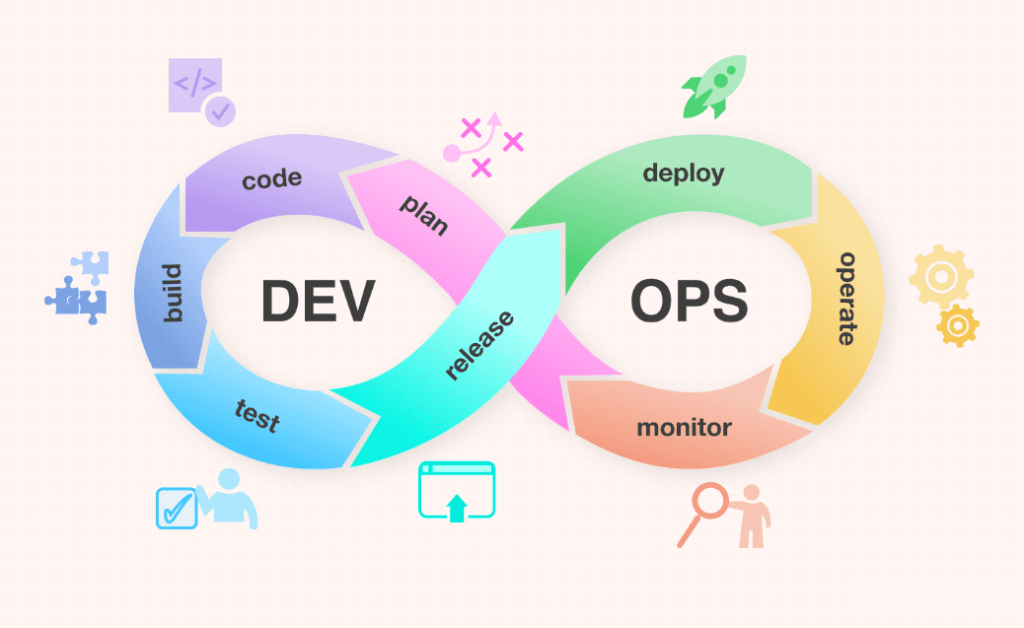
The Certified DevOps Professional serves as a gold standard for engineers who want to bridge the gap between writing code and running it. It exists because companies need experts who understand the entire lifecycle of an application. Instead of just focusing on textbooks, this program emphasizes real-world, production-focused learning that you can apply at your desk immediately.
This program aligns perfectly with modern engineering workflows and the practices that top enterprises use. When you complete this path, you prove that you can improve both the speed and the quality of software delivery. It shows that you can handle the toughest challenges in the industry by using automation and better teamwork. You learn how to build systems that stay strong even when things go wrong.
Who Should Pursue Certified DevOps Professional?
I recommend this path for software engineers, site reliability engineers, and cloud professionals who want to lead their teams. Even if you work in security or data, these skills help you automate your work and connect it to the main delivery pipeline. Beginners find a clear structure here to start their journey, while experienced engineers use it to formalize the skills they already use every day.
Engineering managers and technical leaders also find this program very useful. It helps them understand the technical hurdles their teams face and allows them to make better choices for the company. In India and in the global market, companies search for people who can actually execute these strategies. This guide is for anyone who wants to move from a junior role into a position of leadership and technical authority.
Why Certified DevOps Professional is Valuable Today and Beyond
The demand for high-level DevOps skills grows every day as more companies move their business to the cloud. Automation is no longer a choice; it is a requirement for any business that wants to survive and grow. This curriculum gives you the longevity you need to stay relevant even as specific tools change over time. While a single tool might go out of style, the principles of reliability and speed you learn here will last forever.
Investing your time in this certification provides a high return on your effort. You become the professional who saves a company money by optimizing resources and preventing major outages. Employers value people who bring stability to their release cycles and improve the overall quality of their products. By mastering these skills, you ensure that you stay ahead of the competition and keep your career moving upward.
Certified DevOps Professional Certification Overview
You can find this entire program at the official course link: https://www.devopsschool.com/certification/certified-devops-professional.html. The main website at https://www.devopsschool.com hosts all the learning materials and practical labs. The certification includes modules that cover everything from version control and building containers to monitoring and cloud security. This structure ensures that you spend your time on things you can use at work right away.
The assessment approach focuses on your ability to solve technical problems in a live environment. You do not just answer multiple-choice questions; you actually fix and build things in real-world scenarios. This hands-on structure respects the time of working professionals and ensures you truly understand the material. Experts who manage production systems every day own the content, ensuring it reflects the latest enterprise trends.
Certified DevOps Professional Certification Tracks & Levels
The program organizes learning into three distinct levels: Foundation, Professional, and Advanced. You start at the Foundation level to build a solid base in automation culture and basic tools. Once you master those, you move to the Professional level to dive deep into orchestration and infrastructure as code. The Advanced level focuses on architectural mastery, preparing you to lead large engineering organizations.
Specialization tracks allow you to focus on specific areas like SRE, DevSecOps, or FinOps depending on your goals. These levels align with your natural career progression, helping you move from a junior contributor to a senior lead. Each level builds on the one before it, ensuring you do not leave any gaps in your technical knowledge. By following this track, you create a balanced skill set that makes you a versatile asset to any team.
Complete Certified DevOps Professional Certification Table
| Track | Level | Who it’s for | Prerequisites | Skills Covered | Recommended Order | Official Link |
| Core DevOps | Foundation | New engineers | Basic Linux | Git, Docker, Pipelines | 1st | Course URL |
| Core DevOps | Professional | Experienced IT | 2 Years Exp | K8s, Terraform, CI/CD | 2nd | Course URL |
| SRE | Professional | SREs & Ops | Foundation | Monitoring, SLOs, Incidents | 2nd | Course URL |
| Security | Professional | Security Pros | Foundation | Vault, Scanning, Policy | 2nd | Course URL |
| Platform | Advanced | Architects | Professional | IDP, Service Mesh, Scale | 3rd | Course URL |
Detailed Guide for Each Certified DevOps Professional Certification
Certified DevOps Professional – [Certified DevOps Professional]
What it is
This certification validates your ability to manage the entire software delivery lifecycle using modern automation and culture. It proves your competence in unifying development and operations to achieve faster, more reliable releases.
Who should take it
I recommend this for software engineers, sysadmins, and IT managers with at least one to three years of experience. If you want to lead automation efforts within your team and improve delivery speed, this is for you.
Skills you’ll gain
- Master version control and branching strategies with Git.
- Build, manage, and secure containers using Docker.
- Create automated CI/CD pipelines using Jenkins and GitLab CI.
- Manage entire infrastructures as code with Terraform and Ansible.
- Implement comprehensive monitoring and logging for production systems.
Real-world projects you should be able to do
- Build a fully automated deployment pipeline for a microservices app.
- Deploy and manage a high-availability Kubernetes cluster on the cloud.
- Automate the provisioning of multi-tier dev and prod environments.
- Set up centralized logging and alerting to detect production issues.
Preparation plan
You should focus the first two weeks on Linux fundamentals, shell scripting, and basic Git workflows. Spend the next thirty days in the labs building Docker containers and Jenkins pipelines. Use the final two weeks to complete an end-to-end project and take practice exams to confirm your readiness.
Common mistakes
Many students focus too much on the tools and ignore the cultural aspects of DevOps. Candidates often skip networking basics, which leads to trouble during the practical labs. You might also spend too much time reading theory instead of actually building things in a live environment.
Best next certification after this
- Same-track option: Certified DevOps Expert.
- Cross-track option: Certified Kubernetes Administrator (CKA).
- Leadership option: DevOps Engineering Manager Certification.
Choose Your Learning Path
DevOps Path
The DevOps path focuses on delivering software with speed and quality. You learn to automate every step, from the moment a developer commits code to the final deployment. This path attracts those who enjoy working with a wide range of tools and want to improve the overall developer experience. It provides a broad foundation that allows you to work in almost any tech company worldwide. You will become the bridge that connects different teams and makes the whole company move faster.
DevSecOps Path
In the DevSecOps path, you learn to weave security into every part of the automated pipeline. You integrate security scans, vulnerability management, and compliance audits directly into the CI/CD flow. This ensures that you build security into the product from day one rather than checking it at the end. As security threats grow, companies look for professionals who can protect code without slowing down the team. You will master tools that find bugs and security holes before they ever reach a user.
SRE Path
The Site Reliability Engineering (SRE) path focuses on the stability and performance of production systems. You apply software engineering principles to operations problems like uptime management and incident response. This path teaches you about Service Level Objectives (SLOs) and how to manage “error budgets” effectively. If you enjoy troubleshooting complex systems and building for massive scale, this is your path. You will ensure that apps stay fast and reliable even when millions of people use them at once.
AIOps / MLOps Path
The AIOps and MLOps path combines DevOps principles with the world of artificial intelligence and machine learning. You learn to automate the pipelines that train and deploy machine learning models in production. This involves managing large datasets and ensuring that models perform accurately over time. This path puts you at the leading edge of technology, where you manage the infrastructure for AI-driven businesses. You will help data scientists move their models from a laptop to a global audience with ease.
DataOps Path
DataOps applies the best practices of automation and quality control to data engineering and analytics. You learn to build reliable data pipelines that deliver accurate information to the organization quickly. This path is essential for companies that rely on big data to make their most important business decisions. You work with databases, data lakes, and streaming tools to ensure data flows smoothly and safely. You will make sure that the data used for business reports is always fresh and correct.
FinOps Path
The FinOps path teaches you to manage the financial health of your cloud resources. You learn to monitor cloud spending and optimize resource usage to maximize the value of every dollar spent. This role brings together the technical team and the finance team to create a culture of financial accountability. As cloud costs rise, the person who can manage those costs becomes a critical member of the engineering team. You will help the company grow without wasting money on unused or oversized servers.
Role → Recommended Certified DevOps Professional Certifications
| Role | Recommended Certifications |
| DevOps Engineer | Certified DevOps Professional, Cloud Automation Expert |
| SRE | Certified SRE Professional, Observability Specialist |
| Platform Engineer | Certified Platform Professional, Infrastructure Coder |
| Cloud Engineer | Certified Cloud Architect, Terraform Specialist |
| Security Engineer | Certified DevSecOps Professional, Security Automation Expert |
| Data Engineer | Certified DataOps Professional, Data Pipeline Architect |
| FinOps Practitioner | Certified FinOps Professional, Cloud Cost Manager |
| Engineering Manager | DevOps Leadership Certification, Delivery Lead |
Next Certifications to Take After Certified DevOps Professional
Same Track Progression
Once you master the professional level, you should seek deep expertise within your current track. This means moving toward advanced levels that cover multi-cloud strategies and advanced service mesh architectures. Deep specialization makes you the go-to person for the most difficult technical problems in your organization. It prepares you for roles like Staff Engineer or Principal Architect, where deep system knowledge is a requirement. You will become the person who makes the most important technical choices for the whole company.
Cross-Track Expansion
If you want to become a more versatile professional, you should consider expanding your skills into a related track. For example, a DevOps engineer might take an SRE or DevSecOps certification to broaden their perspective on reliability or security. This expansion makes you more valuable because you can see how all the different parts of the system interact. It allows you to act as a bridge between different departments and leads to a holistic view of the engineering organization. You will understand how to solve problems that involve many different teams.
Leadership & Management Track
For those who enjoy mentoring others and leading projects, the leadership track is the natural next step. This track moves away from individual technical tasks and focuses on building high-performing teams and cultures. You learn about Agile methodologies, budgeting, and how to align technical work with the business goals of the company. Transitioning to leadership requires you to shift your mindset from doing the work to enabling others to do their best work. You will help your team grow and make sure they have everything they need to succeed.
Training & Certification Support Providers for Certified DevOps Professional
DevOpsSchool
DevOpsSchool provides high-energy training that focuses heavily on practical, hands-on skills. They offer comprehensive support for the Certified DevOps Professional, including real-world projects and expert mentorship. Their programs ensure that you leave with the confidence to manage any production environment independently. They maintain a strong reputation for keeping their content updated with the latest industry standards. You will learn by doing, not just by watching videos.
Cotocus
Cotocus specializes in helping engineers and companies move toward modern, cloud-native architectures. They provide targeted certification support that focuses on high-level technical skills and smart architectural design. Their trainers are experienced professionals who bring real-world insights into every session. Cotocus remains an excellent choice for those who want a focused and customized learning experience. They help you understand the bigger picture of how systems fit together.
Scmgalaxy
Scmgalaxy is a community-driven platform that offers a wealth of resources for DevOps and configuration management professionals. They provide training programs that cover a wide variety of tools and methodologies used in modern delivery. Their focus is on building a strong foundation of knowledge through detailed tutorials and hands-on exercises. It is a valuable resource for anyone who wants to stay current with technical trends. You will find a lot of support from other students and teachers here.
BestDevOps
BestDevOps offers clear and concise training that helps you get certified quickly without any unnecessary fluff. They focus on the most popular tools and the skills that are in high demand by employers today. Their training materials are highly practical and designed for busy professionals with limited time. BestDevOps is a great option for those who want to upgrade their skills on a tight schedule. They make sure you learn the most important things first so you can get to work faster.
devsecopsschool.com
This provider focuses entirely on the world of security within the DevOps lifecycle. They offer deep-dive training programs that teach you how to build secure pipelines and protect your infrastructure. Their courses cover everything from container security to automated compliance audits. If you want to specialize in DevSecOps, this is one of the best resources available. You will learn how to keep your company safe from hackers and data leaks.
sreschool.com
Sreschool.com is dedicated to the principles and practices of Site Reliability Engineering. They offer training that helps you move from traditional operations into a software-focused reliability role. Their curriculum covers essential topics like incident response, monitoring, and building resilient systems. It is the perfect place to master the art of keeping production environments stable and high-performing. You will learn how to build systems that can fix themselves when they break.
aiopsschool.com
Aiopsschool.com provides training for the emerging field of AI-driven operations and machine learning delivery. They help you understand how to use data and artificial intelligence to improve the reliability of your systems. Their courses are designed for those who want to stay at the leading edge of technology. It is a unique resource for professionals interested in the intersection of data science and DevOps. You will learn how to use robots and AI to manage your servers.
dataopsschool.com
Dataopsschool.com applies the best principles of DevOps to the world of data engineering and analytics. They offer programs that teach you how to automate data pipelines and ensure high data quality throughout the organization. Their training is essential for data professionals who want to move faster and reduce manual errors. It addresses the unique challenges of data-heavy environments. You will learn how to build pipelines that move data around safely and quickly.
finopsschool.com
Finopsschool.com is the go-to resource for learning about cloud financial management and cost optimization. They offer training that helps engineers and finance professionals work together to manage cloud spending effectively. Their courses provide practical strategies for reducing waste and increasing the value of cloud investments. As companies look to control their cloud bills, this training is becoming increasingly valuable. You will learn how to save your company a lot of money on their monthly cloud bill.
Frequently Asked Questions (General)
How long does it take to get a Certified DevOps Professional certification?
The time you need depends on your current skills and how much time you can study each week. For someone who already understands basic Linux and automation, it usually takes one to two months. If you are a total beginner, you should plan for three to four months of steady work. Most people find that studying for five to ten hours a week is a good pace. This allows you to finish the labs and understand the material without getting overwhelmed. The key is to stay consistent and practice in the labs every week.
Is there a high demand for DevOps professionals today?
Yes, the demand for these skills is very high and it continues to grow every year. Companies need to deliver software faster than ever, and they need experts who can automate that process. There is a global shortage of people who can handle complex cloud environments and keep systems running smoothly. This means that if you have these skills, you will find many job opportunities in India and abroad. Companies are willing to pay a premium for people who can prove their technical competence with a respected certification.
Do I need to be a programmer to learn DevOps?
You do not need to be a full-time software developer, but you must understand basic coding logic. DevOps involves writing scripts to manage servers and automate tasks, so you will need to learn languages like Bash or Python. You also need to be able to read the code that developers write so you can help them deploy it. If you come from a systems administration background, you already have many of the skills you need. This program will help you add the automation and coding skills you need to succeed.
What are the most important tools to learn for this certification?
You should start by mastering Git for version control and the Linux command line. These are the foundations of everything else you will do in this field. After that, focus on container tools like Docker and orchestration platforms like Kubernetes. You must also learn how to use CI/CD tools like Jenkins to automate your builds and deployments. Finally, learning infrastructure as code with Terraform will allow you to manage entire cloud environments with simple text files. These tools are the core of the modern engineering world.
How much can I expect to earn after getting certified?
Salaries for DevOps professionals are among the highest in the entire IT industry. While the exact amount depends on your location and experience, getting certified usually leads to a big jump in pay. In India, mid-level engineers in this field often earn significantly more than traditional developers or sysadmins. The certification acts as a powerful tool during salary negotiations because it proves you have the skills the company needs. It opens doors to senior roles that come with even higher pay and better benefits for you and your family.
Is the certification exam theoretical or practical?
This certification focuses heavily on practical, hands-on skills rather than just theory. While you will answer some questions to test your knowledge, a large part of the assessment happens in a live lab. You will have to solve real technical problems, fix broken pipelines, and configure servers just like you would at a real job. This approach ensures that anyone who passes the exam can actually do the work in a production setting. Employers value this because they know a certified professional is ready to contribute from day one.
Can I take the certification courses online?
Yes, you can take the entire program online from anywhere in the world. You will have access to video lectures, study materials, and the most important part—the hands-on labs. This flexibility allows you to learn at your own pace and fit your studies around your work and family schedule. You also get support from mentors and other students through online forums. The online platform simulates the real-world remote work environments that many DevOps engineers experience in their daily jobs, making the learning experience even more relevant.
What are the prerequisites for the Foundation level?
The Foundation level is for beginners, but you should have some basic technical knowledge before you start. You should understand how computers and networks work and have a basic idea of the software development lifecycle. Knowing how to use the Linux command line is the most important skill to have before you dive in. if you do not have these skills yet, you can take some short introductory courses to get up to speed. Once you have the basics down, you will be well-prepared to start your journey.
How often do I need to renew my certification?
To keep your skills sharp in this fast-moving field, you will need to renew your certification every two to three years. This ensures that you stay up to date with the latest tools and industry practices. The renewal process usually involves taking a short exam or showing that you have continued to learn and work in the field. This might seem like a lot of work, but it actually helps you stay more valuable to your employer. It proves that your knowledge is current and that you are still an expert in your field.
Does this certification help me get jobs abroad?
Yes, the Certified DevOps Professional is recognized by companies all over the world. The principles of automation and reliability are the same whether you work in Bangalore, London, or New York. Having a globally recognized certification on your resume shows international employers that you meet a high standard of technical excellence. Many professionals have used this certification as a stepping stone to relocate and work for major tech firms in other countries. It gives you a common technical language that works across borders and cultures.
What is the difference between DevOps and SRE?
While they are very closely related, they have slightly different focuses. DevOps is a set of cultural practices and tools that help teams deliver software faster. SRE, or Site Reliability Engineering, is a specific way to implement DevOps that was created by Google. SRE focuses more on the stability and reliability of systems using software engineering principles. You can think of DevOps as the “what” and SRE as the “how.” Both are covered in this program, giving you a complete understanding of how to build and maintain modern software systems.
Is it better to specialize or stay a generalist?
In the beginning, it is best to be a generalist so you understand how everything fits together. This allows you to work in many different types of teams and handle a wide variety of tasks. As you gain more experience, you might choose to specialize in an area like security or data to increase your value even more. The most successful professionals are often “T-shaped,” meaning they have a broad understanding of the whole field but deep expertise in one specific area. This certification helps you build that broad base first.
FAQs on Certified DevOps Professional
Why should I choose this program over other courses?
This program stands out because it focuses on real-world application and hands-on labs. While many other courses just give you videos to watch, this one forces you to build and fix things in a live environment. It is designed by people who actually manage production systems, so the content is very practical. You will learn the skills that companies are actually looking for, not just theoretical concepts. The flexible tracks also allow you to customize your learning to match your specific career goals and interests.
How does the program handle cloud technology?
Cloud technology is at the very heart of the Certified DevOps Professional curriculum. You will spend a lot of time learning how to deploy and manage applications on platforms like AWS, Azure, or Google Cloud. You will learn how to build systems that scale automatically and stay resilient even when a server fails. The program also covers modern networking and security in the cloud. This ensures that you are fully prepared to work in any modern, cloud-first organization and handle the challenges of running software at a global scale.
Is there support if I get stuck on a lab?
Yes, there is a strong support system in place for every student. You will have access to a community of fellow learners and experienced mentors who can help you solve problems. There are also detailed guides and videos for every lab to help you if you get lost. If you encounter a really difficult issue, you can reach out for direct assistance from the training team. This collaborative environment simulates how professional engineering teams work together to solve technical challenges, making the learning process even more effective.
Can this certification help me switch from a non-tech role?
Switching from a non-technical role is a big challenge, but this certification provides a clear roadmap to help you do it. You will need to spend extra time learning the fundamentals of Linux and networking before you start the main modules. However, the program is very thorough and covers all the important details you need to know. Many people from diverse backgrounds have successfully made the switch to DevOps by following this path. It requires hard work and dedication, but the career rewards at the end are well worth the effort.
How do I access the hands-on labs?
You can access the labs directly through your web browser on the training platform. You do not need a powerful computer or any special software installed on your machine. The labs are pre-configured with all the tools and resources you need to complete the exercises. This allows you to focus entirely on learning the material without getting frustrated by setup issues. It also ensures that every student is working in a consistent and professional environment that matches what they will see in a real company, making the practice very effective.
What kind of projects will I work on?
You will work on projects that simulate the actual tasks of a DevOps engineer in a large company. This includes building automated deployment pipelines for web apps, setting up monitoring for a cluster of servers, and automating security checks. You will also gain experience with infrastructure as code by using tools like Terraform to build cloud resources. These projects will go into your professional portfolio, giving you something concrete to show potential employers during interviews. They prove that you have practical experience, not just theoretical knowledge.
Does the course cover Agile and Scrum?
Yes, the program includes a section on Agile and Scrum because they are essential for the cultural side of DevOps. You will learn how DevOps fits into the larger Agile framework and how to work effectively within a modern team. Understanding these methods helps you improve collaboration and makes the whole software delivery process much smoother. The certification also teaches you how to use tools like Jira to manage your tasks and track your progress. This holistic approach ensures you understand both the technical and the human sides of the job.
How updated is the course content?
The course content is reviewed and updated several times a year to reflect the latest changes in the industry. As new tools like service meshes or AI-driven monitoring become popular, they are added to the curriculum. The instructors are active professionals who see these changes happening in real-time, allowing them to bring the most current information into the sessions. This commitment to staying updated means your certification will be relevant the moment you earn it and for years to come. You are always learning the most current and in-demand skills.
Final Thoughts: Is Certified DevOps Professional Worth It?
If you want a career that offers both technical challenge and excellent financial rewards, becoming a DevOps professional is one of the best choices you can make. This program provides the most direct and practical path to achieving that goal. It is not a magic pill that will get you a job overnight, but it builds the skills that employers are actually looking for in 2026.
As a mentor who has seen this industry grow, I have watched many people transform their lives by following a structured path like this one. My advice is to stay curious, focus on the basics, and never stop building things in the labs. If you put in the work, this certification is definitely worth the investment of your time and effort. It puts you in control of your professional future.
