Hi Everyone
This is Ravi and today, I will let you know about the User Research in the UX Process.
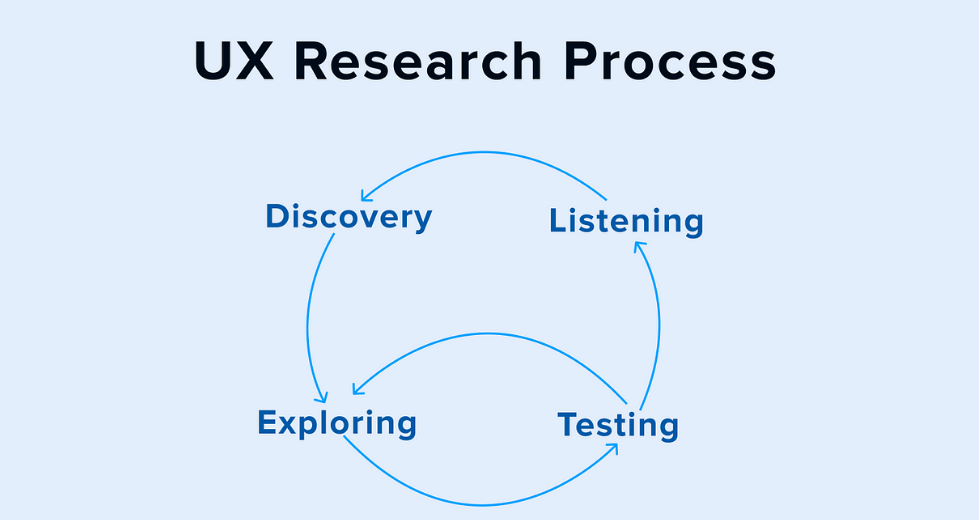
User research is a cornerstone of User Experience (UX) design, playing a pivotal role in understanding user behaviors, needs, and motivations. In this tutorial, we will explore the significance of user research, the correct methods to employ, essential tips and best practices, and how it informs design decisions.
The Significance of User Research
User research is paramount as it provides invaluable insights into user behavior and preferences, guiding designers in creating products and services tailored to user needs. By comprehending users’ needs and motivations, designers can develop experiences that resonate with users, leading to higher satisfaction and engagement.
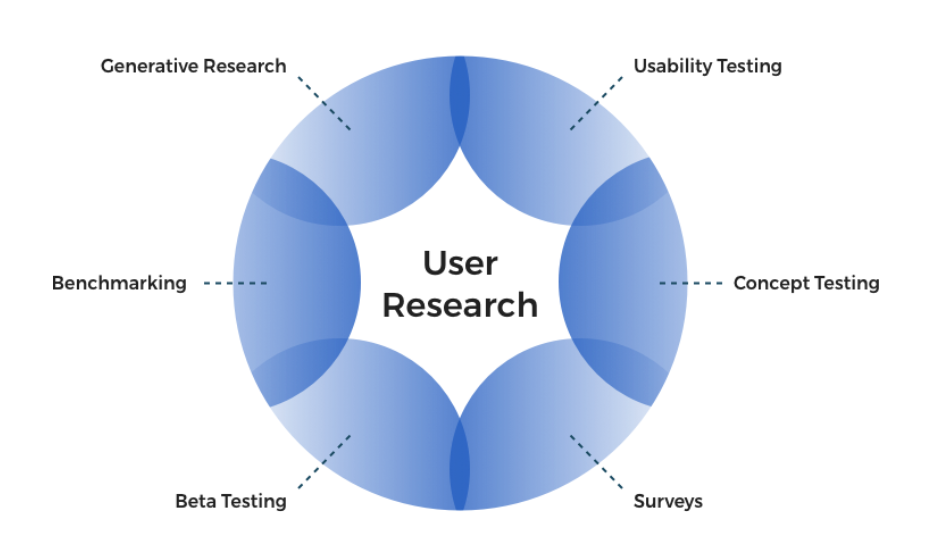
Methods for Effective User Research
- User Interviews: Conducting one-on-one interviews allows designers to gain in-depth insights into users’ experiences, preferences, and pain points.
- Surveys: Surveys are effective in collecting quantitative data from a broader user base, offering statistical insights into user trends and patterns.
- Observations: Observing users in their natural environment provides designers with insights into how users interact with products or services in real-world scenarios.
- Usability Testing: Testing prototypes with actual users help identify usability issues and gather feedback for iterative improvement.
Tips and Best Practices for User Research
- Define Clear Objectives: Clearly define the goals of your research to guide your methods and analysis effectively.
- Recruit a Diverse Sample: Ensure your sample includes a diverse range of users to capture a wide array of perspectives.
- Use Open-Ended Questions: Encourage detailed responses and uncover nuanced insights by asking open-ended questions.
- Leverage Qualitative and Quantitative Data: Utilize a mix of qualitative and quantitative methods to gain a holistic understanding of user behavior.
- Continuously Improve: Iterate your research methods based on feedback and insights gained from previous research to enhance effectiveness.
Integrating User Research into the Design Process
User research should be an integral part of every stage of the design process. From initial concept development to final product testing, user research should guide design decisions to ensure the final product meets user needs and expectations effectively.
Conclusion
User research is a critical aspect of the UX design process, offering valuable insights that drive design decisions and lead to the creation of user-centric products and services. By understanding the importance of user research, employing the right methods, and adhering to best practices, designers can create experiences that delight users and drive business success.
